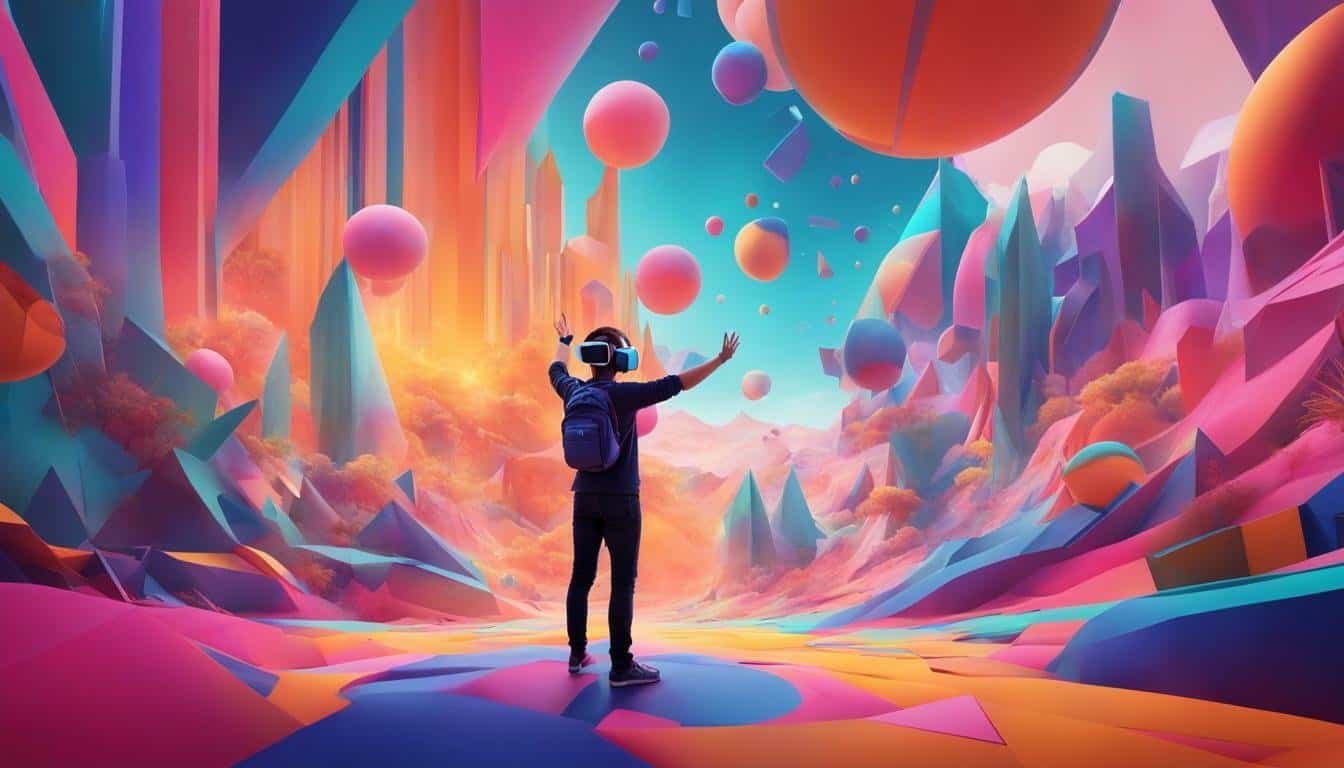
Are you ready to dive into the fascinating world of VR experience design? Join me on this beginner's guide to discover the essential principles and techniques. Through this journey, we will unlock the creative potential in Virtual Reality and explore the exciting possibilities it offers.
Key Takeaways:
- Master the design process by utilizing traditional methods like storyboarding and design sketching
- Understand spatial design principles to create immersive VR interactions
- Acquire technical knowledge and skills with tools like Unity
- Consider spatial UI elements and new input methods for creating immersive experiences
- Rapid prototyping in VR can help with early concept testing
Mastering the Design Process: Storyboarding and Sketching
One of the first steps in VR experience design is mastering the design process, which includes important techniques like storyboarding and sketching. These traditional methods are crucial for planning and visualizing the overall structure and flow of your VR experience. By storyboarding, you can create a sequential narrative, outlining key scenes or interactions. This helps you identify potential issues and make necessary adjustments before moving forward.
Sketching, on the other hand, allows you to create quick, rough drafts of your VR environment or objects within it. This helps you brainstorm and iterate on design ideas, ensuring that your vision aligns with user expectations. Whether you're designing characters, landscapes, or interactive elements, sketching provides a visual representation of your concept, allowing you to refine and enhance it further.
Storyboarding Example
"Storyboarding is like creating a comic book version of your VR experience. It helps you plan and visualize each step of the user journey, from the initial introduction to the final interaction. By breaking down complex scenes into manageable frames, you can ensure a smooth and engaging experience for your users. Think of it as a roadmap that guides you towards creating a compelling VR adventure!"
By mastering these design processes, you lay a strong foundation for creating beginner-friendly VR experiences. Storyboarding and sketching allow you to visualize your concepts, identify potential issues, and refine your designs. With a solid understanding of the design process, you can confidently move forward and explore the world of VR experience design for beginners.
| Key Takeaways: |
|---|
| - Storyboarding helps plan and visualize the user journey |
| - Sketching allows for quick iterations and brainstorming |
| - Mastering the design process is essential for beginner-friendly VR experiences |
Exploring Spatial Design in VR
To create truly immersive VR experiences, beginners must understand the basics of spatial design and how it applies to Virtual Reality. Spatial design is the art of arranging and organizing elements within a three-dimensional space, and in VR, it plays a crucial role in creating an engaging and realistic environment. Let's explore some key aspects of spatial design in VR and how it can enhance the user experience.
Creating a Sense of Depth and Scale
In VR, users can explore virtual environments with a sense of depth and scale. To make these experiences more believable, designers must carefully consider how objects and elements are placed in relation to each other. By using techniques like perspective, parallax, and accurate measurements, designers can create a realistic sense of depth and scale, making users feel as if they are truly immersed in the virtual world.
Guiding User Attention
In a virtual environment, there may be multiple elements competing for the user's attention. To guide users and enhance their experience, designers can use spatial design principles to direct attention towards important objects or areas. This can be done by manipulating the size, position, or color of elements, as well as by using visual cues like arrows or lighting effects. By guiding user attention, designers can ensure that users focus on the most relevant aspects of the VR experience.
Optimizing User Interaction
Another important aspect of spatial design in VR is optimizing user interaction. Designers must consider the physical limitations of users and design intuitive and ergonomic interactions. By placing interactive elements within the user's reach and designing clear visual feedback, designers can ensure a seamless and enjoyable user experience. Additionally, designers should take into account the user's field of view and design interactions that are easily accessible and comfortable to perform within the virtual environment.
| Key Principles of Spatial Design in VR | Examples |
|---|---|
| Depth and Scale | Using perspective and accurate measurements to create a realistic sense of depth and scale. |
| User Attention | Manipulating size, position, and color of elements to guide user attention towards important objects or areas. |
| User Interaction | Optimizing interactive elements for easy reach and designing intuitive interactions with clear visual feedback. |
By understanding the basics of spatial design in VR, beginners can create more immersive and engaging experiences for users. Remember to consider depth and scale, guide user attention, and optimize user interaction. With these principles in mind, you can design virtual worlds that truly captivate and transport users to new and exciting realities.
Embracing Technical Skills and Tools for VR Design
Developing technical skills and utilizing the right tools are crucial for beginners diving into the world of VR experience design. As a beginner, it's essential to gain technical knowledge in order to bring your design ideas to life. One important tool that you should familiarize yourself with is Unity, a powerful and widely used game development engine. Unity provides a user-friendly interface and a range of features that make it ideal for creating immersive VR experiences. By learning Unity, you can leverage its capabilities to design and develop interactive environments, characters, and animations for your VR projects.
In addition to Unity, it's also important to explore VR UX design principles. Creating seamless user experiences is paramount in VR design. You need to consider spatial UI elements and new input methods, such as gesture, gaze, and voice. By understanding how users interact with virtual environments and designing intuitive interfaces, you can ensure that your VR experiences are user-friendly and immersive.
Recommended Learning Resources
- Unity Learn: Unity offers a comprehensive library of tutorials, documentation, and learning resources for beginners. From basic concepts to more advanced topics, Unity Learn covers everything you need to know to get started with VR experience design.
- Online VR Communities and Forums: Engaging with online communities and forums dedicated to VR development can be incredibly helpful. It allows you to connect with other designers and developers, ask questions, and share ideas. Some popular online communities include the Unity forums, VR subreddits, and VR Developer Slack channels.
- VR Design Guidelines: Many established VR platforms, such as Oculus and HTC Vive, provide design guidelines and best practices for creating immersive VR experiences. These guidelines offer valuable insights into the technical and design considerations necessary to enhance user comfort and optimize performance.
Remember, as a beginner, self-learning and experimentation are key. Take advantage of the numerous online resources available and be open to exploring new techniques and approaches. With dedication and practice, you'll be well on your way to becoming a skilled VR experience designer who can create captivating and immersive virtual realities for users to explore.
| Benefits of Developing Technical Skills in VR Design | Recommended Online Resources |
|---|---|
|
|
Conclusion
Embarking on the journey of VR experience design for beginners opens doors to a world of creativity and endless possibilities. As I have explored in this article, mastering the design process and gaining spatial design knowledge are crucial steps in creating immersive VR experiences. By applying traditional methods like storyboarding and design sketching, beginners can lay a strong foundation for their VR designs.
Understanding spatial design principles is equally important. By grasping how the real world functions in 3D space, beginners can create impactful VR interactions that transport users to new worlds. It's fascinating to see how spatial design can elevate the immersive experience.
Additionally, acquiring technical skills is vital for beginners aspiring to become VR experience designers. Tools like Unity can aid in creating interactive and seamless VR experiences. Embracing online resources and self-learning opportunities can help beginners get started on their journey.
Overall, the VR/AR industry is expanding rapidly, offering new opportunities for creative designers. With a combination of design process mastery, spatial design knowledge, and technical skills, beginners can create immersive VR experiences that captivate users and leave a lasting impact. So, if you're ready to dive into the world of VR experience design, remember to unleash your creativity and explore this exciting realm!
FAQ
What is VR experience design?
VR experience design is the process of creating immersive virtual reality experiences that engage users and provide a seamless user interface. It involves designing the visual, interactive, and spatial elements of a virtual reality environment to create a compelling and enjoyable VR experience.
What are some important skills for VR experience design beginners?
Some important skills for VR experience design beginners include mastering the design process, gaining spatial design knowledge, and acquiring technical skills. It is also important to have a willingness to learn and adapt to new technologies and tools.
How can I learn VR experience design as a beginner?
As a beginner, you can learn VR experience design through online resources, tutorials, and courses. It is recommended to start by learning the design process, understanding spatial design principles, and familiarizing yourself with tools like Unity. Practice and experimentation are also crucial for gaining hands-on experience.
What are some key considerations for designing VR interfaces?
When designing VR interfaces, it is important to consider spatial UI elements and new input methods such as gesture, gaze, and voice. Rapid prototyping in VR can be useful for early concept testing. Visual design should adhere to best practices and consider the capabilities of different devices, while also incorporating familiar reference points and visual metaphors.
How is the VR/AR industry evolving?
The VR/AR industry is expanding rapidly, offering new opportunities for creative designers. With advancements in technology and increased adoption of VR and AR devices, the demand for immersive experiences is growing. This opens up avenues for designers to explore innovative concepts and push the boundaries of VR experience design.